
Short answer: 14K gold is the practical default, harder wearing and the most popular choice in the US. 18K gold has a richer color and a softer feel, in both senses. Platinum is naturally white, heavier, and never needs re-plating. None of them is wrong; they trade durability, color, and price differently. Here is how to pick in five minutes.
What the numbers actually mean
Pure gold is too soft for daily jewelry, so it is alloyed with other metals for strength. The karat number tells you the gold content:
- 14K = 58.5% gold. The rest is alloy metals chosen for hardness and color. This is the workhorse standard for American engagement rings.
- 18K = 75% gold. More gold, deeper color, softer metal, higher price.
- Platinum (PT950) = 95% platinum. Not a type of gold at all, but a denser, naturally white metal used at much higher purity.
Every Caraluxa piece is stamped with its real fineness mark, and the metal you select at checkout is the metal you get.
14K vs 18K gold: the honest trade-offs
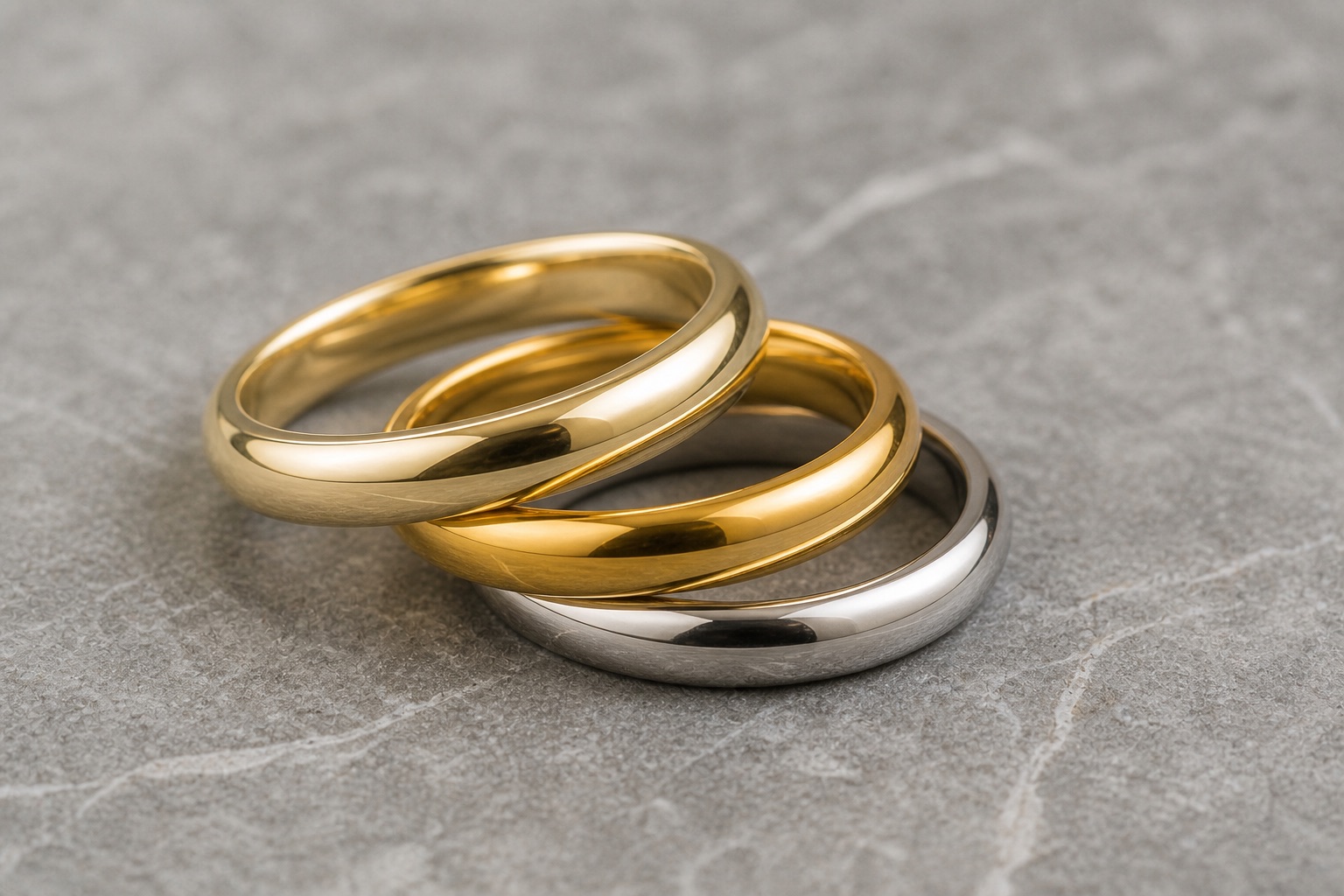
Color. 18K yellow gold is visibly warmer and richer; 14K yellow is slightly paler and cooler. In rose gold the gap narrows, because the copper that makes the pink does more of the work. In white gold the difference nearly disappears, since both are rhodium-plated to the same bright white finish.
Durability. This is where 14K quietly wins. Less gold means more hardening alloy, so 14K resists scratches and dents better. For a ring worn every day, on a hand that types, lifts, and carries things, that matters more than most buyers expect.
Price. More gold costs more, so 18K sits above 14K in every color.
Who picks what. If you want the deepest gold color and treat jewelry gently, 18K rewards you. If the ring will live on a busy hand, 14K is the sensible pick, and on white gold there is little visual reason to pay for 18K at all.
Platinum: what you are really paying for
Platinum's case rests on three things:
- It is white all the way through. White gold gets its bright finish from a thin rhodium layer that wears off over a couple of years and needs re-plating. Platinum never does; its color is its own.
- It holds stones differently. When platinum is scratched, metal is displaced rather than shaved away, so prongs tend to stay full over decades. Jewelers like it for exactly this reason.
- It feels substantial. Platinum is significantly denser than gold. The same ring weighs noticeably more, which some people love and some find heavy.
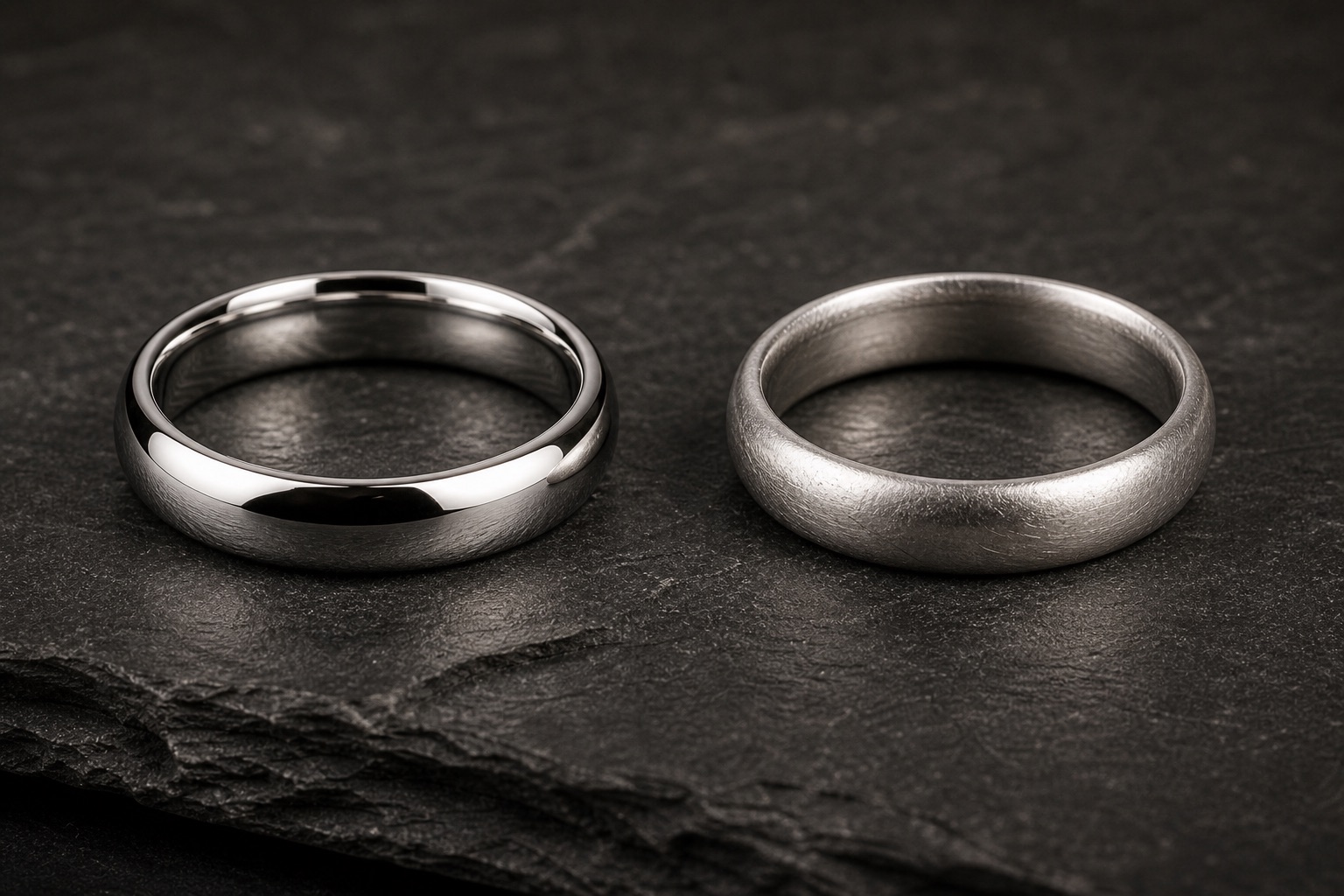
The honest caveats: platinum scratches more easily than 14K gold in day-to-day wear, developing a soft satin patina (re-polishable any time), and it costs the most of the three. It is also naturally hypoallergenic, worth knowing if sensitive skin runs in the family.
White gold vs platinum, since that is the real question
Both look nearly identical on day one. The differences show up later: white gold needs a quick re-plating every few years to stay icy white, while platinum stays white but picks up patina and weighs more. If low maintenance over decades is the priority, platinum. If you want the white look at a friendlier price and do not mind an occasional plating visit, white gold in 14K is a perfectly good answer.
Matching metal to the stone
- Colorless lab grown diamonds look crisp in any metal. White metals emphasize the icy look; yellow and rose gold make a white stone appear even whiter by contrast.
- Fancy color diamonds interact with the setting. Yellow gold deepens a yellow stone; rose gold flatters pink; a champagne stone glows in warm settings. Our product pages note the pairing each design was built around.
- Antique-style cuts such as the old mine cut historically lived in warm gold, and yellow gold remains the most period-faithful choice for them.
FAQ
Which metal is most durable overall? For scratch resistance in daily wear, 14K gold. For long-term prong security and never needing plating, platinum. 18K trades some of both for color.
Is 18K gold too soft for an engagement ring? No, millions are worn daily. It simply picks up scratches faster than 14K. If you are rough on your hands, choose 14K.
Does white gold cause skin reactions? Rarely, and usually from nickel in some alloys once plating wears thin. If you know nickel is a problem, platinum is the safe choice.
Can I choose the metal on any Caraluxa ring? Most made-to-order designs let you choose between 14K and 18K gold on the product page, in the colors that design is offered in, and the piece is crafted to your spec in about 2 to 3 weeks. Platinum and our fancy color pieces are dedicated designs built around one metal, so those are offered as-is. You can also start from scratch and design your ring.
Explore the collection
Compare 14K and 18K options on the same design in lab grown diamond engagement rings, or pair your choice with a matching band from wedding and stacking bands.


